Is RC Car a Good Hobby? The Honest Answer for UK Buyers
Quick Answer
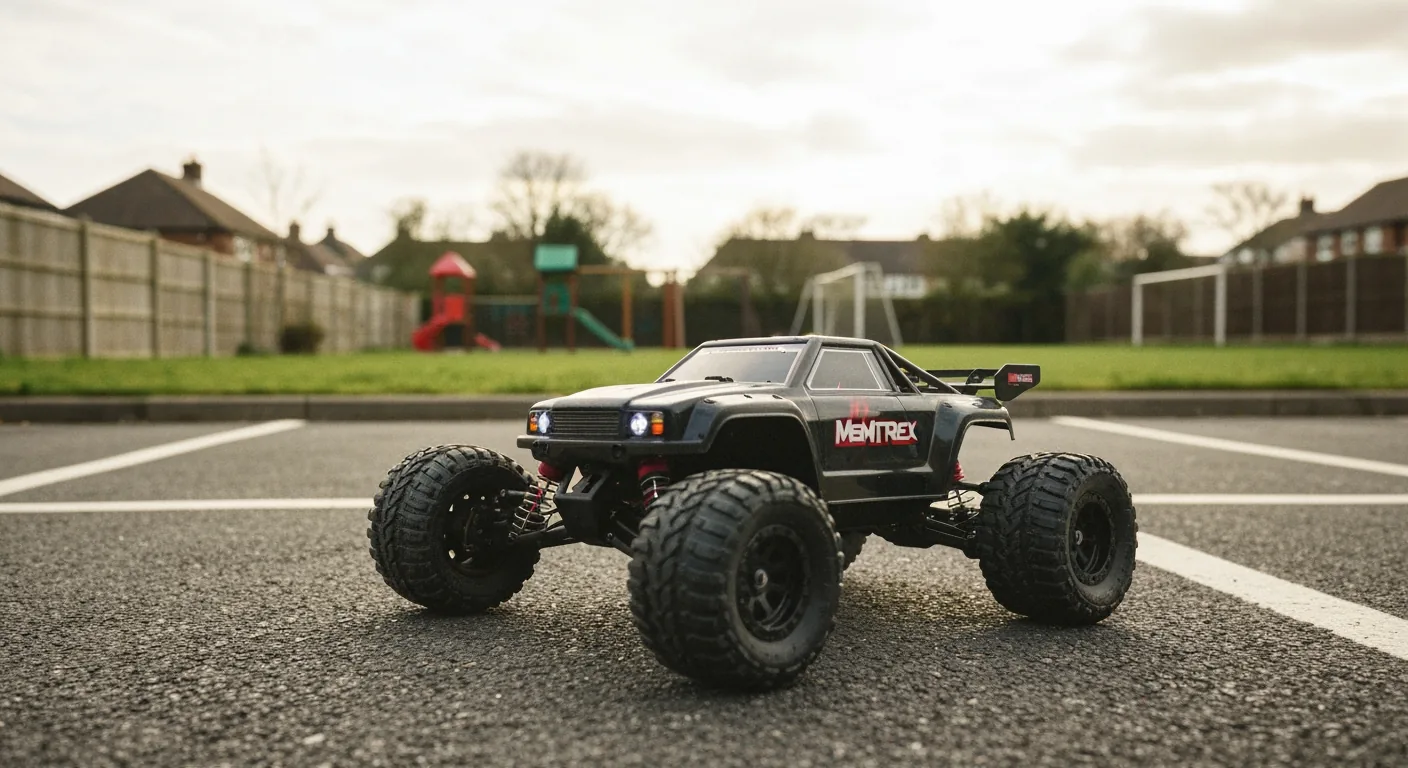
Yes — if you treat it as one. RC car is a genuinely rewarding long-term hobby for the right person: someone who enjoys mechanical tinkering, outdoor speed, gradual skill progression, or all three. It is not a good hobby for someone who expects a toy-level experience, buys accordingly, gets bored at week six, and puts it in the cupboard. The distinction matters because the hobby-grade and toy-grade markets are sold in the same shops for overlapping prices, and most buyers don't realise they've bought the wrong tier until after the fact. MemTrex Standard at £69 is a genuine hobby-grade entry point — a car you can repair, upgrade, and develop over several years. The Pro at £149 is where adult hobbyists and teenagers with real interest tend to land for their first serious car. The honest answer to "is RC car a good hobby" is conditional: it's excellent if you start at the right tier and understand what you're entering.
Yes — if you treat it as one. RC car is a genuinely rewarding long-term hobby for the right person: someone who enjoys mechanical tinkering, outdoor speed, gradual skill progression, or all three. It is not a good hobby for someone who expects a toy-level experience, buys accordingly, gets bored at week six, and puts it in the cupboard. The distinction matters because the hobby-grade and toy-grade markets are sold in the same shops for overlapping prices, and most buyers don't realise they've bought the wrong tier until after the fact. MemTrex Standard at £69 is a genuine hobby-grade entry point — a car you can repair, upgrade, and develop over several years. The Pro at £149 is where adult hobbyists and teenagers with real interest tend to land for their first serious car. The honest answer to "is RC car a good hobby" is conditional: it's excellent if you start at the right tier and understand what you're entering.
The Honest Answer — Yes, If You Treat It Like One
The hobby rewards intent more than almost any consumer product category.
RC car is a good hobby for UK buyers who engage with it as a hobby rather than a purchase. The distinction sounds obvious but is frequently missed: a toy is something you buy, use until novelty fades, and discard. A hobby is something you invest in incrementally — time, skill, occasional parts — and which returns that investment through progression, community, and a growing sense of mastery. The RC car hobby is long-established in the UK: the British Radio Car Association (BRCA) has been running competitive events for decades, and the community around recreational bashing, park driving, and weekend club sessions is genuinely active. As documented extensively at rcgeeks.co.uk, the UK RC hobby community stretches from casual park bashers to competitive BRCA racers. For adults, the hobby offers a physical, outdoor counterpart to the sedentary leisure that dominates most lives. For children and teenagers, it offers mechanical intuition — the satisfaction of understanding why the car does what it does — alongside the obvious appeal of speed. The critical first decision is starting at hobby-grade. A toy-grade car bought at the entry price point will not sustain interest past the initial novelty; a hobby-grade car that can be repaired, tuned, and upgraded will. MemTrex Standard at £69 is designed specifically to be the right first entry into the hobby — not too expensive to justify, not too limited to develop.
The most common route to hobby abandonment is buying the wrong car first. A £20 toy breaks in week three with no repair path; the hobby is dead before it started. A £69 hobby-grade car breaks in week three with a £4 suspension arm fix; the hobby continues.
What a Year of RC Hobby Actually Looks Like
Understanding the real shape of a first year sets expectations correctly.
A realistic first year in the RC car hobby follows a predictable arc for most UK buyers. Months one and two: frequent driving, short sessions, learning control on grass and gravel, one or two minor repairs (suspension arm, pinion gear, body post — all common, all cheap). Month three: first deliberate upgrade or accessory — spare battery, balance charger, or a set of upgrade tyres. Months four to six: driving becomes less frequent but more purposeful; sessions extend, technique improves, and the car is driven in more varied terrain. Month six to twelve: either the car has been upgraded to a higher-spec variant (Standard → Pro, for instance), the hobby has expanded to include a track or club visit, or the car is used seasonally — weekends, school holidays — as a reliable leisure tool rather than a daily obsession. The common thread through every sustained first year is repairability. Every hobbyist crashes their car. The ones who stay in the hobby are the ones who can fix it in an afternoon and be back driving. Without a proper spares catalogue and UK-available parts, that repair cycle breaks — and the hobby ends. MemTrex's UK parts stock and 2-year chassis warranty are specifically designed to keep the repair cycle functioning through a full year and beyond.
The hobby community on Reddit's r/rccars is a useful real-world reference for what genuine first-year experiences look like — the thread archive is extensive and honest about both the appeal and the frustrations.
Cost Reality — What to Budget for Year One
The hobby has real costs. This is what they actually look like.
Year-one cost for an RC car hobbyist in the UK breaks down into three categories. Entry cost: the car itself. MemTrex Standard at £69 or Pro at £149, including battery, charger, and transmitter. For a first-time buyer who isn't certain they'll commit to the hobby, the Standard is the appropriate risk level — it's a real hobby car, not a toy, but it doesn't require the investment of the Pro before you know you enjoy it. Maintenance costs: hobby-grade RC cars require occasional part replacement, and the most common parts are inexpensive. Suspension arms cost £3–8 per pair. Pinion gears run £2–5. Tyres are £8–15 per set. A realistic first-year maintenance budget is £30–£50 total, assuming normal driving including some crashes. Optional upgrade costs: the hobby's upgrade path is where costs can expand, but this is entirely optional and should be driven by genuine enjoyment, not initial expectation. Common first-year upgrades include a second battery (£15–£25), a balance charger (£20–£40), and replacement body shells or upgraded tyres (£15–£30). A realistic total first-year spend including the car is £100–£150 for Standard buyers and £200–£250 for Pro buyers who engage actively with the hobby. These figures are for a genuine, active first year — not theoretical maximums.
The £0 additional upgrade option is equally valid: both MemTrex cars are fully capable out of the box and do not require any upgrades to be genuinely enjoyable. The upgrade path exists for those who want it; it is not a cost of entry. As noted in eurorc.com's hobby buyer guides, year-one costs for a genuine hobby-grade RC car are almost always lower over two years than equivalent toy-grade alternatives.
The 4 Things That Hook Adults
Adult RC car hobbyists stay for different reasons from children, and understanding those reasons helps predict whether the hobby will stick.
Four factors reliably convert adult buyers into long-term RC car hobbyists in the UK. First, the mechanical engagement: adults who enjoy understanding how things work — cars, engines, mechanisms — find the RC car hobby satisfying in a way that purely digital hobbies are not. Diagnosing a handling problem, adjusting suspension geometry, identifying a stripped gear, and rebuilding — these are tactile, problem-solving activities that many adults find absorbing. Second, the outdoor speed experience: RC cars at hobby-grade speeds deliver genuine physical excitement in accessible outdoor environments. Parks, fields, and beaches are free, and the experience of running a brushless car at real speed is viscerally engaging in a way that no screen replicates. Third, the modification culture: the RC car hobby has a deep upgrade and modification tradition — changing motors, ESCs, tyres, bodies, suspension settings. Adults who enjoy iterative improvement over time find this endlessly engaging. Fourth, community: BRCA clubs, online communities at r/rccars, local bashing groups, and YouTube hobby channels provide a social layer that sustains interest through quieter periods. Adults who engage with the community stay in the hobby significantly longer than isolated buyers.
The adult hobby is also strongly nostalgic for buyers in the 35–50 age bracket who had an RC car as a child and are returning to the category as adults. This group tends to be the most committed: they know what they want, buy at the right tier first time, and bring their children into the hobby with them.
The 4 Things That Hook Kids
Children engage with the hobby differently, and the factors that sustain their interest are distinct.
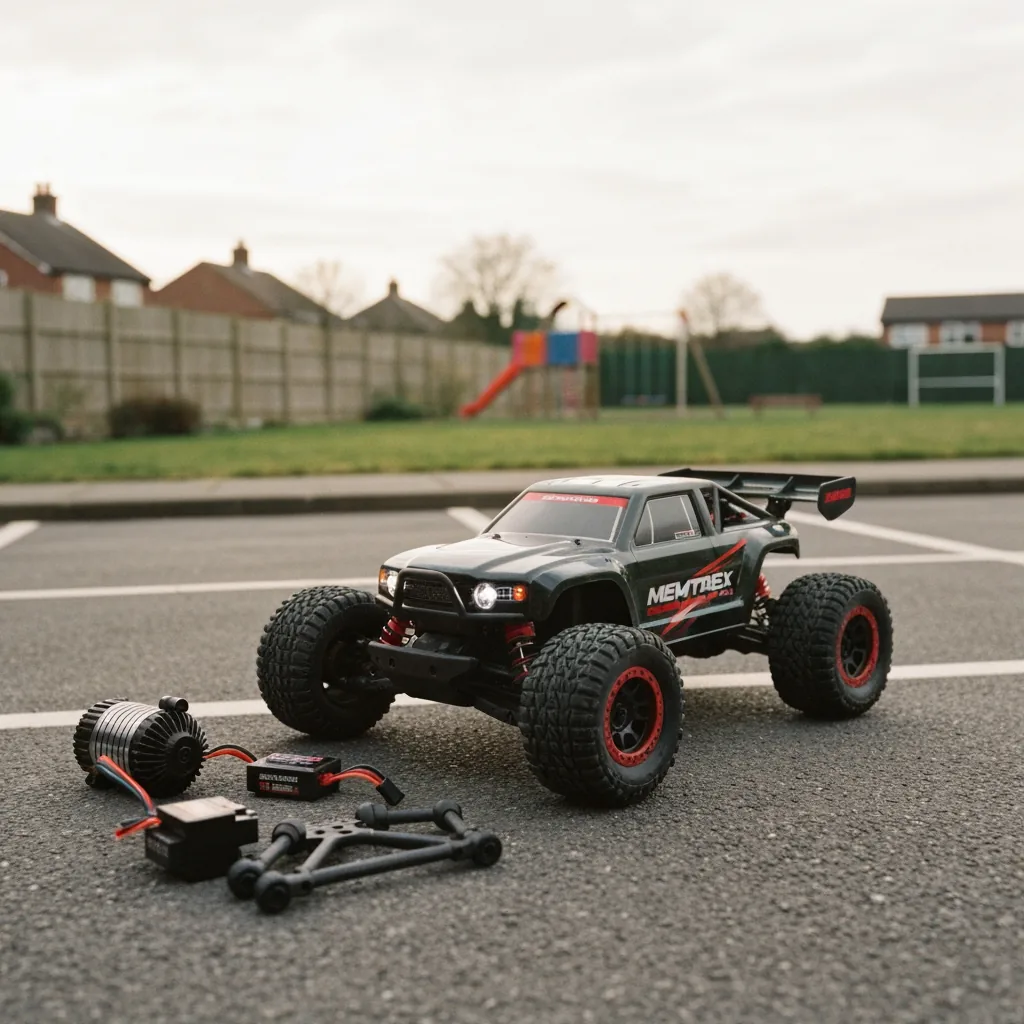
Four things reliably sustain RC car hobby interest in children aged 8–16. First, speed: the visceral experience of controlling a car moving faster than they can run is immediately compelling. Hobby-grade speeds at 40–80km/h are genuinely impressive to an 8–14 year old, unlike the 15–20km/h toy-grade speeds that children rapidly dismiss as boring. Second, jumps and terrain: the physical interaction of the car with real outdoor environments — launching over a kerb, splashing through a puddle, carving through gravel — delivers an experience that is inherently varied and never quite the same twice. Third, customisation: children respond strongly to personalisation. Body shell colour choices, stickers, and LED configurations create ownership and pride in the car as an object with identity. Fourth, peer status: an RC car that is visibly fast and capable commands respect from other children in a way that a toy-grade car does not. A MemTrex Standard running at 40km/h in the park is a legitimate object of peer attention; a supermarket toy running at 15km/h is not. Children who experience peer validation around their car use it more frequently and maintain interest longer. This is not a shallow observation — it is the single most reliable predictor of hobby longevity in the 8–14 age bracket according to community consensus on r/rccars.
The gift parent who worries whether the car will "still be used next Christmas" should buy at the hobby-grade tier, at appropriate speed for the child's age, and in a colour the child has chosen. All three factors measurably improve longevity. See our RC cars for teenagers guide for age-specific advice.
How to NOT Outgrow It in 6 Weeks — The Upgrade Path
The hobby retains buyers who have somewhere to go next.
The clearest predictor of RC hobby longevity is the presence of an upgrade path — a next step that the buyer can see and aspire to. For MemTrex buyers, the upgrade path is clear and supported. A Standard buyer who develops genuine interest can move to the Pro — same chassis family, same understanding of the car's behaviour, meaningfully more performance. A Pro buyer can explore upgraded LiPo batteries, a balance charger, alternative body shells, and track driving. Both cars are supported by the same UK parts supply and warranty framework, so the investment made in understanding the Standard transfers directly to the Pro. The upgrade path also exists within a single car: learning to tune suspension, choosing different tyre compounds for different terrain, and practising precise control in increasingly technical environments are all forms of progression that don't require spending more money. The hobby outgrows buyers who bought toy-grade (nothing to fix, nothing to upgrade, nothing to progress into) and sustains buyers who bought hobby-grade. MemTrex Standard → Pro is the natural year-one-to-year-two path for buyers who start the hobby and find they enjoy it — and it's a path we actively support with compatible spare parts, honest spec documentation, and UK human support. For the full buying decision framework, see how to choose an RC car in the UK and our best beginner RC car guide.
Frequently Asked Questions
Will my 12-year-old still be using the RC car next Christmas?
If you buy hobby-grade — something with real spares, a proper motor, and a repair path — the probability is substantially higher than if you buy toy-grade. Hobby-grade RC cars sustain interest because they can be fixed when they break and improved when the driver progresses. MemTrex Standard is the appropriate tier for sustained 12-year-old engagement. Toy-grade cars from supermarkets and big-box retailers rarely survive a full year of regular use.
Is RC car just an expensive toy, or is there genuine depth?
There is genuine depth. The mechanical side of the hobby — diagnosis, repair, tuning, upgrade — provides engagement that goes well beyond operating a toy. The community, the competitive scene via BRCA, and the physical outdoor experience make it a complete hobby in the traditional sense. The "expensive toy" experience comes from buying toy-grade and expecting hobby-grade depth. Hobby-grade at £69–£149 is genuine depth at a modest entry price.
How much should I expect to spend in year one?
For a Standard buyer who engages actively: approximately £100–£150 total including the car, spare battery, and typical maintenance. For a Pro buyer: approximately £200–£250. These include the car itself plus ongoing costs. Buyers who drive occasionally rather than regularly will spend towards the lower end. Year two costs typically drop significantly once the initial setup is complete.
What age is the RC car hobby appropriate from?
Hobby-grade RC cars are appropriate from age 7–8 with parental supervision and a brushed motor. The what age is RC car guide covers this in detail. In practical terms: Standard for 7–13, Pro for 14+, both appropriate for adults. The hobby has no upper age limit.
Does the RC car hobby require a lot of space?
No — at 1/16 scale, a standard British garden or local park is sufficient. MemTrex Standard and Pro are both 1/16, specifically chosen for the UK's typical outdoor spaces. You do not need a track, a field, or any special facility to enjoy the hobby at this scale.
The RC car you're not afraid to crash
Two cars, both RTR. UK warranty, UK spares, UK support — every car backed by people who answer the phone.